


Labour has defended its decision to increase taxes on online gambling, with a top minister asserting that the move is necessary. Dan Tomlinson, the Exchequer Secretary, dismissed criticisms of the tax hikes on remote gambling, which are expected to generate an additional £1.1 billion for the public purse by 2029/30. In the recent Budget announcement, Chancellor Rachel Reeves targeted online betting to address problem gambling, with the remote gambling duty set to rise from 21% to 40% starting in April 2026.
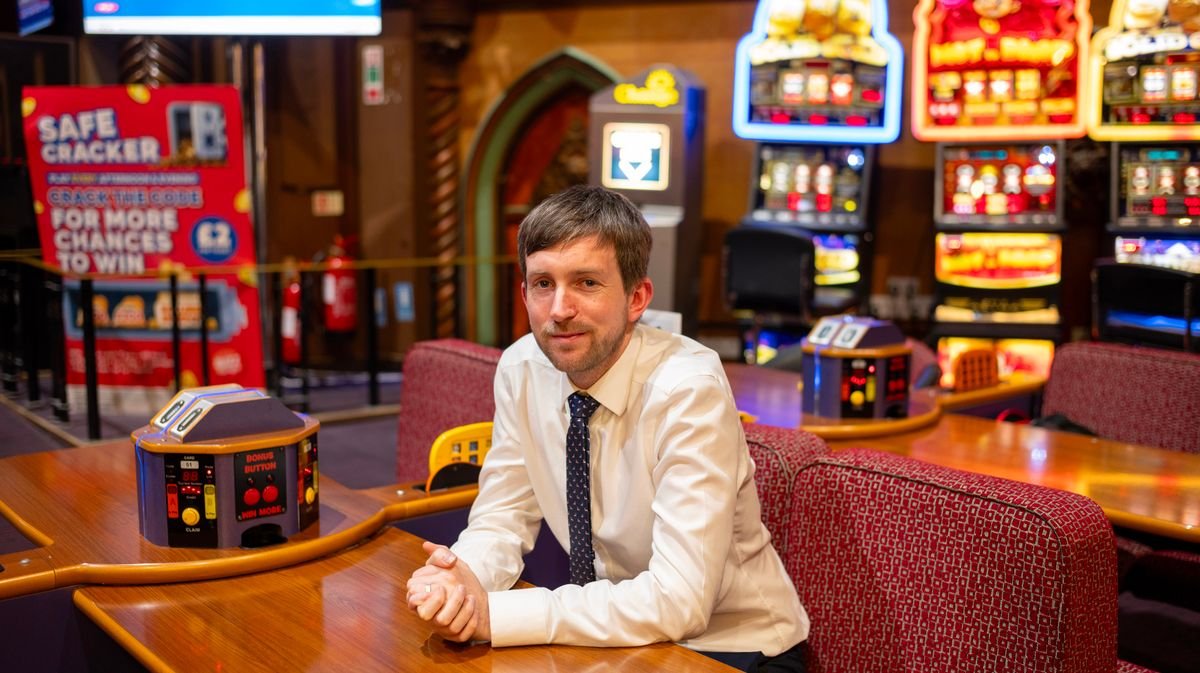
While horse racing was exempted from the tax increases, bingo halls received a boost as the government removed the 10% duty on the game. Tomlinson visited BuzzBingo in Tooting and emphasized the importance of such activities, stating that they provide safe and enjoyable entertainment for people nationwide. He clarified that Labour’s focus is not on limiting fun but on implementing measures like abolishing bingo duty, safeguarding horse racing, and freezing fuel duty to support families during Christmas.
Tomlinson highlighted the positive impact of activities like bingo in combating loneliness, particularly among older individuals living alone. Despite the tax relief, bingo operators are facing challenges due to rising costs and competition, leading to a decline in the number of bingo halls. The minister also mentioned the increase in the minimum wage, noting that higher wages benefit workers and stimulate local economies.
Addressing concerns about business rates, Tomlinson assured that the government is providing extensive support to businesses facing revaluation and the end of Covid-related assistance. Efforts are underway to balance the system by reducing rates for high street properties while imposing higher taxes on online retailers with large warehouses. The government’s initiatives have sparked disagreements with pub landlords, some of whom have barred Labour MPs in protest against tax rates.
Tomlinson emphasized that Labour MPs are dedicated to supporting their constituencies and advocating for businesses on the high street. The Budget included measures to shield many businesses from significant valuation increases, reflecting the government’s commitment to backing local enterprises.