
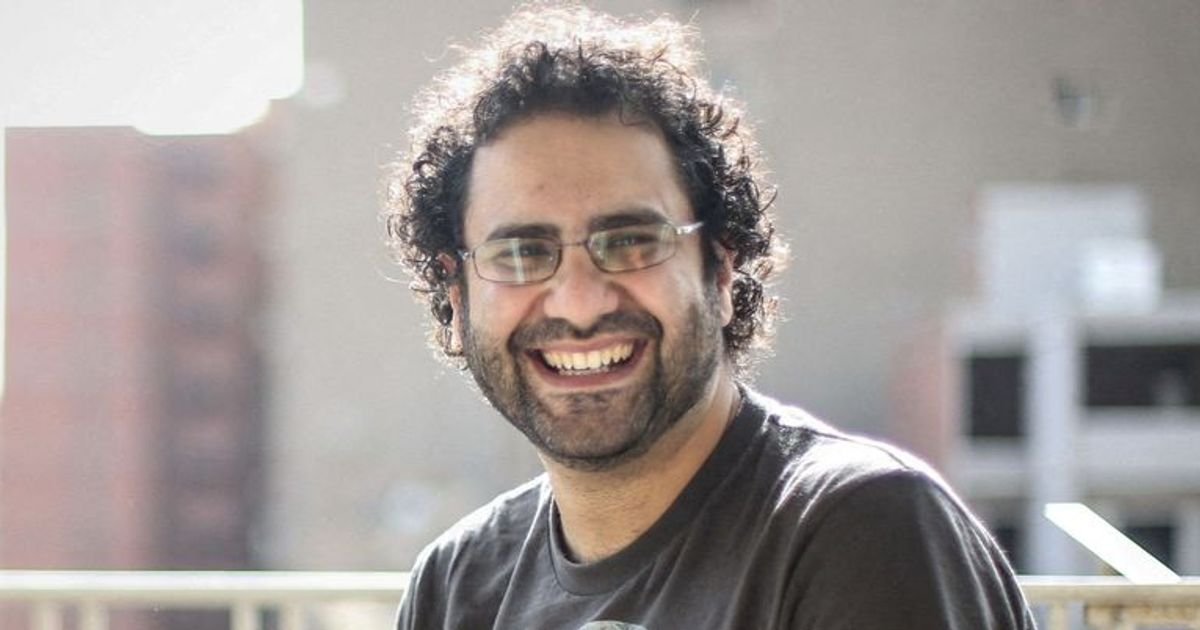

Yvette Cooper has initiated a review concerning “serious information failures” following the oversight of “abhorrent” posts made by released activist Alaa Abd El-Fattah.
The Foreign Secretary disclosed that previous high-ranking officials and government employees were unaware of social media statements by Mr. El-Fattah, which seemed to incite violence against Zionists and law enforcement. He entered the UK on Boxing Day after the removal of a travel ban post his release from prison.
While both Ms. Cooper and PM Keir Starmer greeted his arrival, they encountered criticism as tweets from 2010 resurfaced. Ms. Cooper informed Dame Emily Thornberry, chair of the Foreign Affairs Committee, in a letter that existing protocols and vetting procedures were inadequate in this instance. The government condemned the tweets, for which Mr. El-Fattah has since apologized.
Expressing deep concern amidst the escalating antisemitism and recent attacks against Jewish communities, Ms. Cooper emphasized the distress caused by the sudden emergence of the historical tweets. She called for an urgent review of the information lapses and the overall due diligence processes within the department to ensure improved functioning in the future.
Mr. El-Fattah obtained UK citizenship in December 2021 during Boris Johnson’s premiership, reportedly through his British mother. Calls have been made by the Tories and Reform UK to revoke his citizenship, although no immediate actions are planned.
His detention on false news charges was denounced as a violation of international law by UN investigators. Egyptian President Abdel-Fattah el-Sisi granted him a pardon in September. Both Tory and Labour administrations advocated for his release, and he has now reunited with his son in Brighton.
In his apology, Mr. El-Fattah acknowledged the impact of his past remarks, attributing them to youthful frustration during tumultuous regional crises. Downing Street defended the government’s response, affirming the commitment to religious and political freedoms while condemning the offensive nature of the historical tweets.
Government officials believe there are insufficient grounds to strip Mr. Abd El-Fattah of his citizenship, citing legal precedents that reserve such actions for cases involving fraud or severe criminal activities.