

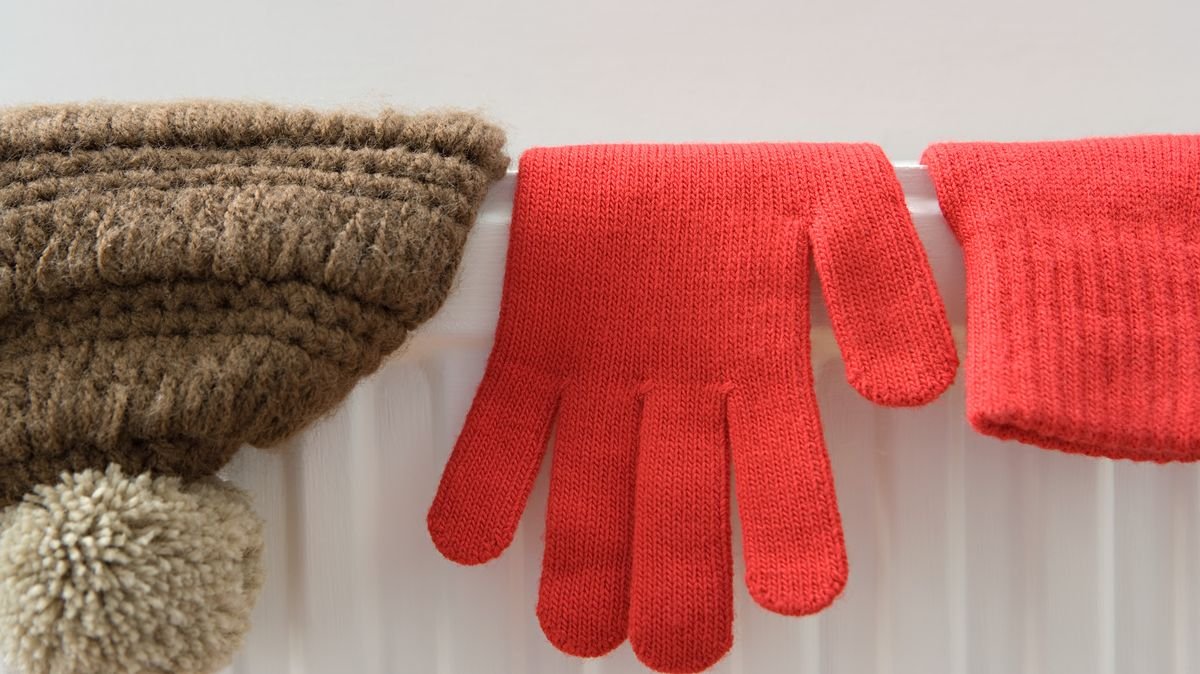

An expert has given a clear warning about the practice of drying clothes on radiators and in bedrooms. Following heavy snowfall across the UK, many households are struggling to dry their wet laundry efficiently.
To save on energy costs, many people opt to avoid using tumble dryers and instead resort to hanging wet clothes on radiators for faster drying. However, an air quality specialist, Valentín Naranjo, has highlighted potential issues with this method in a widely viewed TikTok video.
In the video, Valentín interviewed individuals on the street about their indoor drying habits. He cautioned against drying clothes in bedrooms, stating that the moisture can cause wall damage and even affect mattresses over time. He recommended opening windows or using extractor fans while drying clothes to prevent humidity buildup. If these options are not available, a dehumidifier can also be used.
Additionally, Valentín advised against placing clothes directly on radiators, as this can lead to increased condensation and humidity levels. He emphasized the importance of ventilating spaces properly to avoid mold and dampness issues. He further suggested washing towels regularly in hot water to prevent mold growth.
Indoor clothes drying can elevate humidity levels, especially during winter when windows are kept closed. Activities like indoor drying, longer showers, and cooking steam-generating foods contribute to increased condensation, potentially causing mold, stains, and odors over time.
The accumulation of dampness and mold can pose health risks, particularly for vulnerable individuals such as babies, children, the elderly, and those with respiratory conditions or weakened immune systems. The NHS advises individuals sensitive to mold to minimize exposure to damp environments.
According to NHS Inform, mold can produce allergens and irritants that may trigger allergic reactions or exacerbate asthma symptoms. Inhaling or touching mold spores can lead to symptoms like a runny nose, sneezing, red eyes, skin rashes, or asthma attacks.