

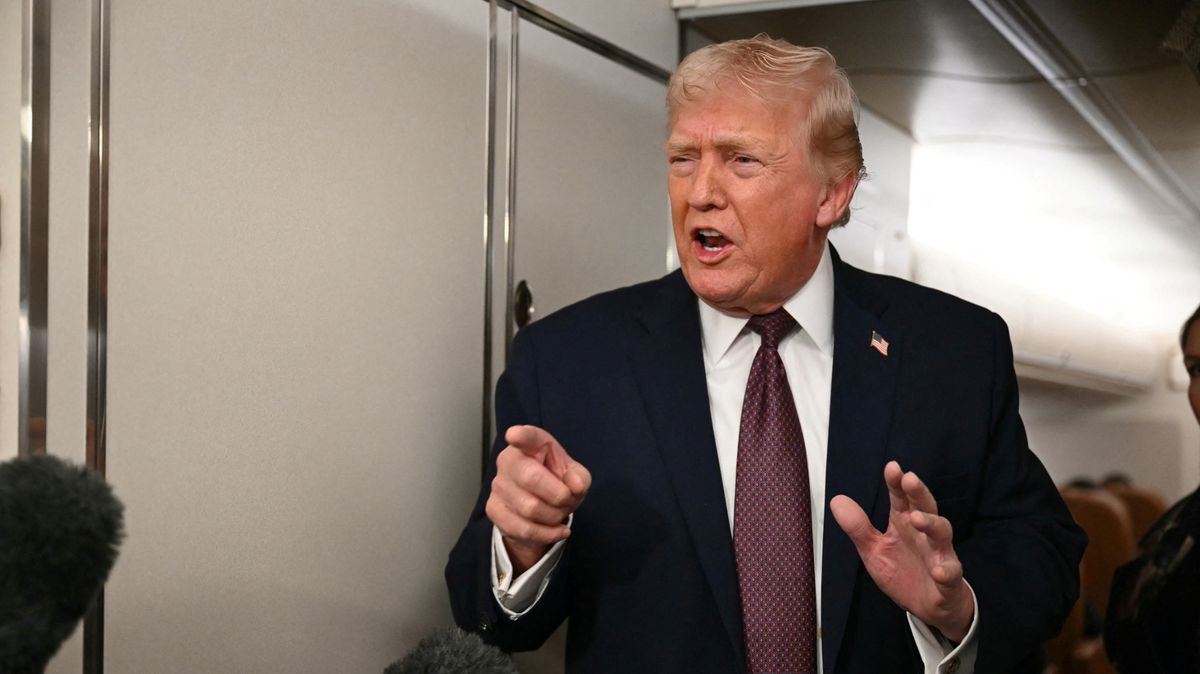

Following his recent threat to Iran amidst ongoing demonstrations that have resulted in a reported death toll of at least 544 individuals, President Donald Trump indicated that Iran has shown interest in engaging in negotiations.
Iran has not yet responded to Trump’s remarks. However, there have been developments, including the visit of Oman’s foreign minister to Iran over the weekend. The potential outcomes of any negotiations remain uncertain, especially given Trump’s stringent conditions regarding Iran’s nuclear program and ballistic missile capabilities, which Iran views as essential for its defense.
Iran’s Foreign Minister, Abbas Araghchi, addressed foreign diplomats in Tehran, asserting that the situation is now under control. He pointed fingers at Israel and the U.S., alleging their involvement in stoking violence without providing concrete evidence.
Moreover, Iran has called for pro-government supporters to rally in solidarity with the current regime, following significant protests challenging the authority of Supreme Leader Ayatollah Ali Khamenei. State television broadcasts showcased crowds chanting anti-American and anti-Israeli slogans.
Speculations suggest that Trump and his national security team are considering various response options against Iran, including cyberattacks and potential military strikes by the U.S. or Israel.
Trump mentioned ongoing discussions to arrange a meeting with Iran; however, he emphasized the possibility of taking action first due to escalating violence and protester arrests in Iran.
Highlighting Iran’s stance, Trump stated, “Iran is seeking negotiations,” expressing readiness to engage in dialogue. He confirmed ongoing efforts to organize a meeting while acknowledging the need for potential preemptive measures given the unfolding circumstances.
In a stern warning, Iran’s parliamentary speaker cautioned that the U.S. military and Israel could become “legitimate targets” if force is used to suppress demonstrators.
According to the U.S.-based Human Rights Activists News Agency, over 10,600 individuals have been detained during the protests, with the death toll standing at 544. The agency, known for reliable reporting on past unrest, relies on sources within Iran to verify information.
With communication restrictions in place, monitoring the situation in Iran has become challenging, fueling concerns of a harsh crackdown by Iranian security forces. Despite the blackout, videos circulating online depict continued protests, especially during nighttime hours.
Fearing repercussions, authorities have issued warnings urging families to keep youths away from potential violence hotspots. Security alerts caution against participating in demonstrations to avoid severe consequences.
The protests initially sparked by economic turmoil have evolved into broader anti-government sentiments, reflecting public discontent over economic hardships and political governance in Iran.
At Reach and across our entities we and our partners use information collected through cookies and other identifiers from your device to improve experience on our site, analyse how it is used and to show personalised advertising. You can opt out of the sale or sharing of your data, at any time clicking the “Do Not Sell or Share my Data” button at the bottom of the webpage. Please note that your preferences are browser specific. Use of our website and any of our services represents your acceptance of the use of cookies and consent to the practices described in our Privacy Notice and Terms and Conditions.