

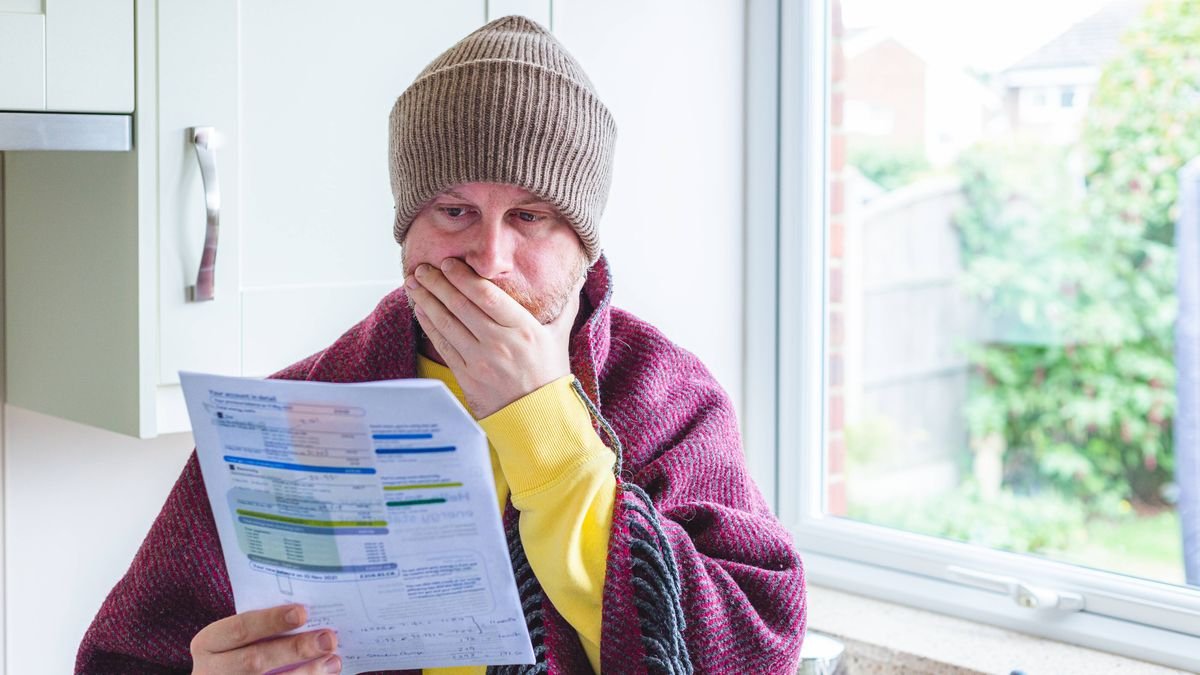

Hopes are rising that the Labour party will take action to reduce energy costs for millions of households in the upcoming Budget. Speculation suggests that Chancellor Rachel Reeves might eliminate VAT on energy bills, potentially saving an average customer £84 annually. Consumer advocate Martin Lewis and others are pushing for a more substantial shift of policy costs from bills to general taxes.
The escalating prices of gas and electricity are exacerbating the financial strain on many Britons. Ofgem recently announced that the price cap for 34 million energy accounts will increase in January to an average of £1,758 per year, contradicting expectations of a decrease. This rise, though modest, coincides with the peak energy usage period in households, as nearly half of all gas consumption occurs in the first quarter of the year.
Furthermore, projections indicate that the price cap will climb by an additional £57 to an average of £1,815 in April, primarily due to increased charges for maintaining the UK’s energy infrastructure. Average energy bills have surged by nearly £700 compared to five years ago.
Chancellor Rachel Reeves has emphasized the importance of alleviating the financial burdens on households in the Budget. Science Secretary Liz Kendall hinted at potential government actions to address the issue, affirming a commitment to reducing the cost of living.
The bulk of the new £1,758 average annual bill is attributed to purchasing gas and electricity at £690, a slight decrease from the previous quarter. Network costs amount to £396, while supplier expenses stand at £279 annually, with profit margins rising marginally.
A significant factor contributing to the January price hike is a £21 increase in government policy costs, which now total £236 annually. These costs encompass various initiatives such as renewables obligations, the Warm Home Discount, and funding for projects like the Sizewell C nuclear power plant.
Households with minimal gas usage can expect price increases of around 3% to 4% in January. Martin Lewis raised concerns about the burden of policy costs on electricity bills, advocating for a more equitable distribution of these expenses through general taxation to mitigate future price escalations.
As Ofgem announced the price cap adjustments, the UK experienced its coldest night of the season, with temperatures plummeting to minus 11.7C in Scotland.
In response to consumer worries about rising bills amid colder weather, initiatives like the Warm Homes Discount are being expanded to assist more households. Calls have been made for increased support, including a higher Warm Home Discount and targeted energy social tariffs.
Experts and industry representatives emphasize the necessity of strategic measures to address energy costs sustainably. Efforts are being made to balance policy costs and taxation to ensure lasting benefits for consumers.
While speculation abounds regarding potential reductions in energy bills, the underlying need for investment in energy infrastructure and policy initiatives must be addressed to secure a transition to cleaner, more reliable energy sources.
As discussions continue on energy affordability, stakeholders stress the importance of long-term solutions that prioritize consumer welfare and sustainable energy practices.