

In today’s digital age, political movements thrive or dwindle on social networking sites, such as Instagram and TikTok.
A recent example of this phenomenon was seen during the New York Mayoral election. Despite being an Irish woman residing in London, my Instagram feed was inundated with updates on Zohran Mamdani’s successful mayoral campaign in New York City.
The power of hope and negativity spreads rapidly through social media, with figures like Nigel Farage adept at condensing complex ideas into easily shareable soundbites that resonate with their followers.
A report by the charity Demos delved into the perspectives of 16-year-olds across the UK, revealing that mainstream politicians struggle to effectively engage with young people. While Nigel Farage is not universally liked, his use of social media and straightforward messaging commands admiration. On the other hand, Keir Starmer, though not disliked, remains largely invisible to this demographic.
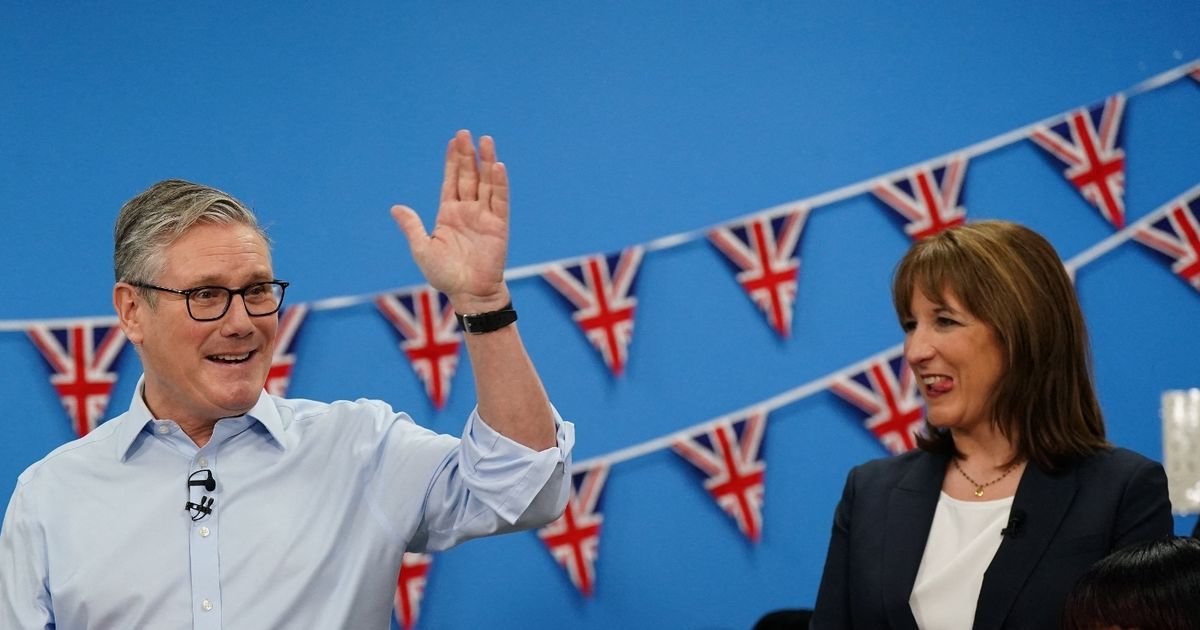
Prime Minister Keir Starmer has recently ventured into the realm of social media communication, particularly on TikTok, signaling a noteworthy move to connect with Generation Z.
The emergence of Keir’s TikTok account has garnered 26.5k followers since its launch on December 8. However, there is still ground to cover, as Nigel Farage, the leader of Reform UK, boasts a substantial following of 1.4 million on the platform.
The Demos report underscores the significance of TikTok in shaping democratic engagement among young people, highlighting its role as a primary news source for many youths who find traditional media outdated and disconnected from their reality.
To resonate with young voters, political content must exude vibrancy, freshness, and authenticity. This engagement is pivotal as it molds political perceptions even before policy discussions come into play.
The advent of memes and viral videos has revolutionized how young voters perceive politicians, with first impressions often formed through online content devoid of context.
While Keir’s TikTok debut faced initial skepticism, accumulating views in the hundreds of thousands, there is a call for Labour to infuse their social media strategy with a more engaging and relatable energy to resonate with younger audiences.
Labour faces an uphill battle in the social media landscape, yet their efforts to adapt and engage with new platforms are commendable, even if somewhat belated.