
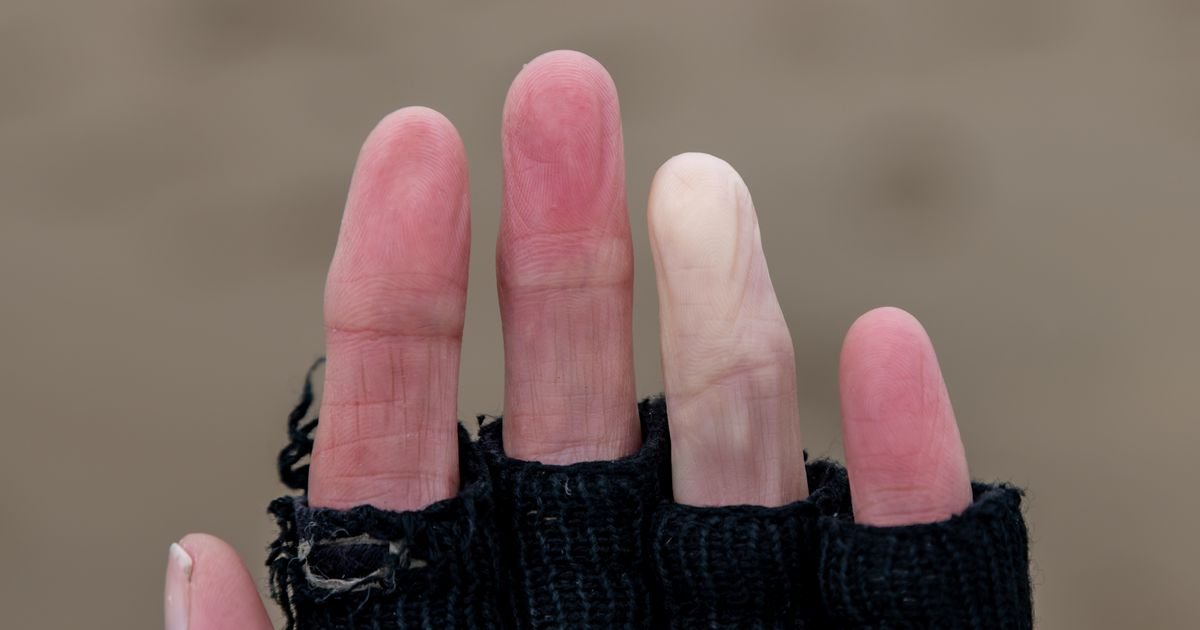

The NHS has brought attention to a typical set of symptoms and how they can impact individuals in cold conditions or during periods of anxiety and stress. Although these symptoms are usually not a cause for alarm, they could sometimes indicate a more serious underlying issue.
In a recent post on Twitter, the health service explained, “Raynaud’s condition can result in reduced blood flow to your fingers and toes when exposed to cold temperatures or when feeling anxious or stressed, leading to changes in color. Discover more about the symptoms and treatment options here.”
According to the NHS, Raynaud’s is a prevalent condition where blood vessels react excessively to cold temperatures or stress, causing them to constrict. This constriction temporarily reduces blood flow to the affected areas, resulting in several key symptoms.
Typical signs of Raynaud’s include fingers and toes turning paler, experiencing pain, numbness, or a tingling sensation akin to pins and needles. Some individuals may also notice similar symptoms in their ears, nipples, lips, and nose, with the effects lasting from a few minutes to several hours.
Although these symptoms can be uncomfortable, they are generally harmless and can be managed by staying warm, engaging in regular physical activity, and following a well-balanced diet. However, the NHS advises seeking medical advice under specific circumstances.
As per the official online guidance from the NHS, these circumstances include severe or worsening symptoms of Raynaud’s, where a GP may recommend medication such as nifedipine to enhance blood circulation. Some individuals may need daily doses of this medicine, while others may use it preventively in cold weather conditions. Additionally, GPs may conduct tests if they suspect Raynaud’s is a symptom of a more serious condition like rheumatoid arthritis or lupus.
Furthermore, the NHS underscores that quitting smoking can enhance circulation and avoiding excessive caffeine consumption may also benefit individuals with Raynaud’s, as products like tea, coffee, cola, and chocolate have been linked to triggering Raynaud’s symptoms.
For more insights on Raynaud’s, visit the NHS website here. SRUK, a charity supporting individuals with scleroderma or Raynaud’s, offers support groups and further information, available by clicking here.
The primary symptoms of Raynaud’s, according to the NHS, typically affect the fingers and toes, though some individuals may also experience symptoms in their ears, nose, lips, and nipples. Additional guidance from SRUK notes that after an attack, warmth in the affected area can lead to a stinging or throbbing sensation. The symptoms are intermittent, with varying durations ranging from minutes to hours, and the frequency of attacks varies among individuals.