

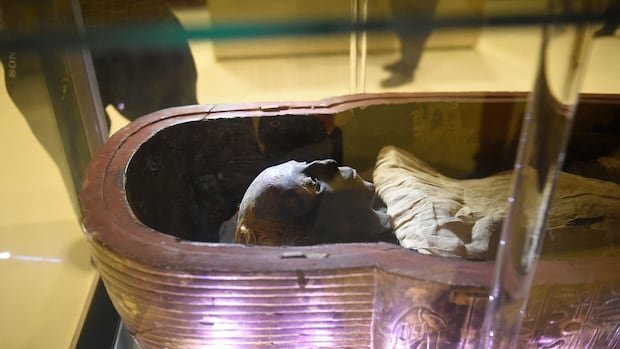

A recent study revealed an unexpected market for preserved human remains available online, posing potential health risks, according to researchers. The research, led by Kirsty Squires from the University of Staffordshire, examined 128 online posts showcasing mummified remains from humans and animals for sale between 2015 and 2025.
The study highlighted that mummified body parts, such as heads, hands, and feet, are frequently showcased or advertised online. These remains may harbor dormant microorganisms like bacteria, fungi, and yeast, which could pose health hazards if not handled correctly. While some experts suggest that knowledgeable collectors may not face significant risks, improper handling of these remains could release harmful microorganisms into the air.
Squires emphasized the importance of proper storage conditions to prevent deterioration of remains. Unlike in museums where mummies are stored under controlled environments, keeping remains in homes or garages without regulated conditions can lead to hidden health risks. She cautioned that handling mummified remains without protective equipment could expose individuals to airborne microorganisms that may cause lung issues, skin irritation, or eye problems.
Furthermore, the study mentioned that mummified body parts could contain toxic substances like arsenic and mercury from historical embalming practices. While the research did not report specific cases of illness from handling online-sold human remains, historical incidents like the deaths of conservation scientists in 1973 due to inhaling mould spores serve as a cautionary tale.
Experts like James Scott from the Dalla Lana School of Public Health emphasized ethical concerns surrounding the trade of human remains rather than health hazards. In Canada, where a portion of the online posts analyzed originated, regulations on selling and buying human remains are deemed insufficient by experts like Shawn Graham from Carleton University.
Graham suggested implementing laws to ban the online trade of human remains, similar to a bill introduced in the U.K. This move aims to address the ethical implications of commodifying human remains and to prevent the exploitation of ancestral remains for commercial purposes.