

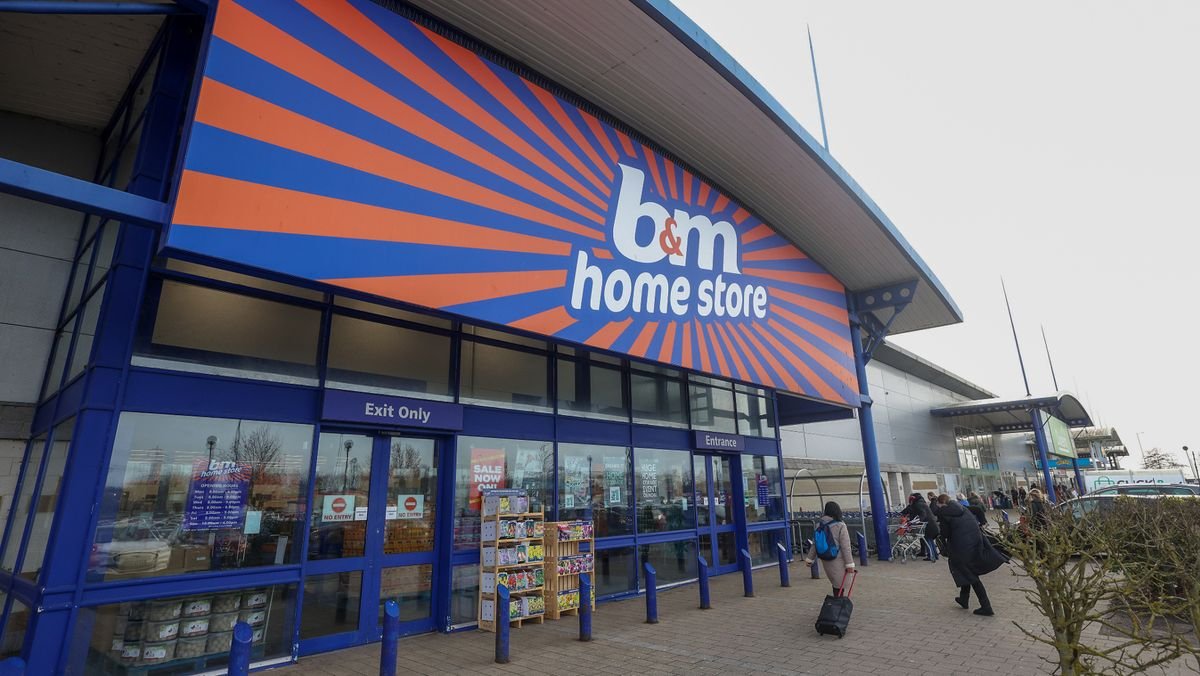

Discount retailer B&M faced its second profit warning within three months due to the necessity of cutting prices to clear excess inventory. The company, which saw its share price plummet by half since May last year, initiated a “Back to Basics” strategy last October to enhance pricing competitiveness and streamline operations by reducing its product offerings across various categories.
In a recent trading update, B&M reported a 0.6% decline in comparable sales for the critical three-month period ending on December 27, which includes the holiday season. Despite this, management remains optimistic about recent sales performance.
The company revised its full-year profit forecast downward to a range between £440 million and £475 million from the previous guidance of £470 million to £520 million. This marks a substantial decrease from the £620 million profit generated in the previous fiscal year. B&M also faced challenges last October related to an accounting error resulting in unaccounted overseas freight costs amounting to £7 million.
Tjeerd Jegen, the newly appointed CEO, commented on the situation, stating that the company is making strategic investments to clear discontinued product lines and improve pricing strategies for long-term growth, albeit impacting short-term financial results.
In other news, HMRC is planning to replace automatic fines with a points system for self-assessment tax returns, aiming to introduce a more structured penalty framework for late submissions. The new system will assign points for late filings, leading to monetary penalties after accumulating a certain threshold of points.
Furthermore, Waterstones, a well-known book chain, managed to boost its annual profits slightly despite facing higher labor-related expenses. The retailer, with 316 stores and opening seven new outlets in the past year, reported an increase in profits to £49.7 million from £45.6 million in the previous year, with turnover rising from £528.3 million to £565.6 million.
Accounts filed at Companies House highlighted the company’s focus on margin improvement strategies and effective cost management to counteract rising operational costs, including legislative payroll increases driven by national living wage hikes and employers’ national insurance contributions.
Overall, Waterstones’ performance reflects the challenges faced by retailers in navigating cost pressures while striving to maintain profitability in a competitive market landscape.